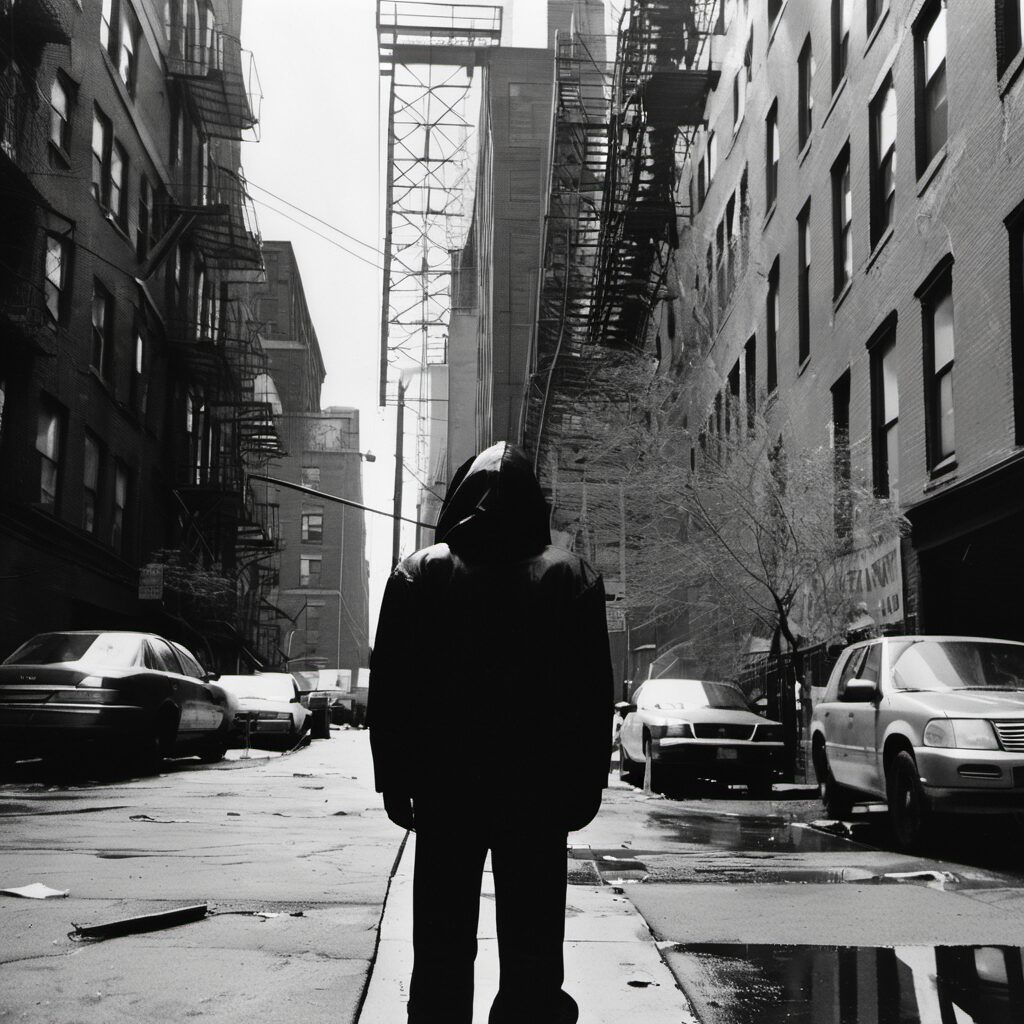
Urban Spirituality 101
In an age where technology reigns supreme and concrete jungles stretch as far as the eye can see, it’s no surprise that spirituality has evolved to meet the unique needs of urban dwellers. Urban Spirituality 101 is a primer for those looking to cultivate a deeper connection with themselves, their community, and the world around them – even in the midst of hustle and bustle.
What is Urban Spirituality?
Urban Spirituality is a modern approach to spirituality that acknowledges the complexities of urban life. It’s not just about finding inner peace in a quiet meadow or meditating on a mountaintop; it’s about being present and mindful in the midst of chaos, using the city as a canvas for spiritual growth.
“Spirituality isn’t just about having some kind of mystical experience; it’s about living authentically, with intention and purpose.” – Kai Leigh Allen, urban spirituality coach
Key Principles of Urban Spirituality
Here are some core principles to keep in mind as you embark on your urban spiritual journey:
- Intentional Action**: Make conscious choices that align with your values and goals, whether it’s volunteering at a local community garden or advocating for social justice.
- Present-Moment Awareness: Practice mindfulness in everyday activities, like taking the bus or waiting in line. Notice the sights, sounds, and sensations around you.
- Community Connection**: Nurture relationships with others who share your values and passions. Join a book club, attend a meetup group, or participate in neighborhood initiatives.
- Sacred Space: Create sacred spaces within your urban environment – whether it’s a cozy corner of your apartment or a peaceful spot in the park – to cultivate contemplation and self-reflection.
- Celebrating the Mundane**: Find beauty and significance in everyday activities, like taking a walk, cooking a meal, or simply enjoying a cup of coffee.
Real-Life Examples of Urban Spirituality
From city-wide meditation initiatives to community-led art projects, urban spirituality is taking shape in innovative ways. Here are some inspiring examples:
- Street Art for Social Change**: The Mural Arts Program in Philadelphia brings together artists and community members to create public murals that promote social justice and unity.
- The Urban Monastery: This San Francisco-based organization offers meditation, yoga, and spiritual direction to urban dwellers seeking a deeper connection with themselves and their communities.
- Community Gardens for Wellness**: The Chicago Botanic Garden’s “Urban Agriculture” program provides resources and training for community members to establish and maintain sustainable gardens in underserved neighborhoods.
Conclusion: Embarking on Your Urban Spiritual Journey
Urban Spirituality 101 is not a formulaic approach, but rather an invitation to explore the intersection of spirituality and urban life. By embracing intentionality, mindfulness, community connection, sacred space, and celebrating the mundane, you’ll find that your urban environment can become a source of inspiration, growth, and spiritual fulfillment.
As Karen Cooper, urban spirituality teacher, so eloquently puts it: “Spirituality is not something you do in addition to living; it’s an integral part of who we are as human beings.”