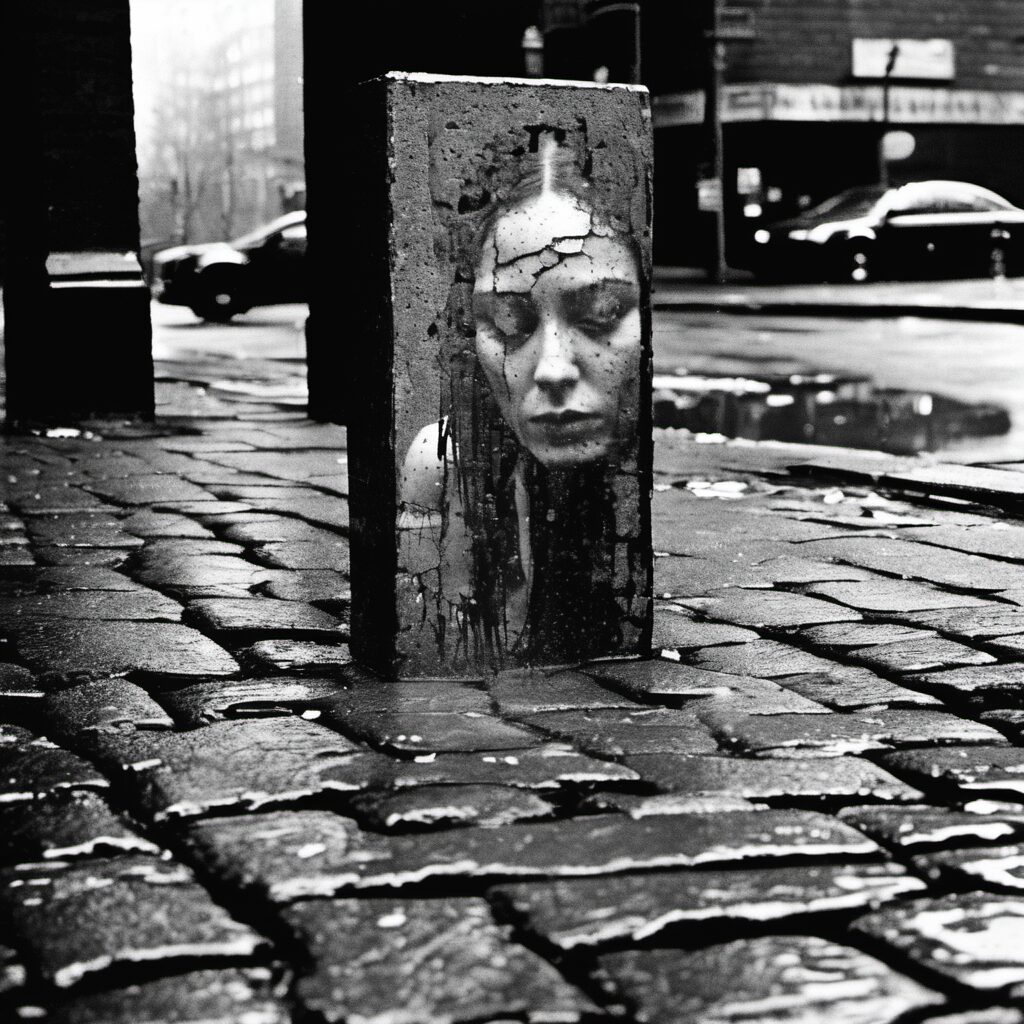
Urban Shamanism
In recent years, urban shamanism has emerged as a unique and fascinating spiritual practice that combines traditional shamanic techniques with modern city living. This movement is gaining popularity among those seeking to integrate ancient wisdom into their daily lives.
Urban shamans believe that the natural world is intertwined with human consciousness, and that the urban environment can be just as sacred as the wilderness. They use various rituals, meditations, and ceremonies to connect people with the land, ancestors, and the collective unconscious.
“We’re not trying to escape the city or reject modern society,” says Dr. Sophia Patel, a leading expert in urban shamanism. “Rather, we’re seeking to reclaim our connection to nature and the spirit world within the context of contemporary urban life.”
Urban shamans draw inspiration from indigenous cultures, where spirituality is deeply rooted in daily life. They incorporate elements such as smudging ceremonies, sound healing, and intuitive coaching into their practices.
“One of the most powerful tools for urban shamans is the use of sacred space,” notes Dr. James Reed, a scholar of comparative religion. “By creating intentional spaces within the city, we can tap into the energy of the land and connect with our deepest selves.”
Some notable examples of urban shamanism include:
- “Sacred Geometry” by Dr. Sophia Patel explores the hidden patterns and codes that underlie the natural world.
- The Urban Shaman Collective is a global network of practitioners, workshops, and online courses.
- “The City as Sanctuary” by Dr. James Reed examines the sacred spaces within modern cities.
As urban shamanism continues to evolve, it offers a promising path for those seeking to reconcile their connection with nature, spirituality, and community within the midst of bustling city life.
“Urban shamans are not just spiritual practitioners; they’re also activists, artists, and community builders,” says Sage, a prominent urban shaman. “We’re committed to creating a more harmonious, sustainable world – one ceremony at a time.”