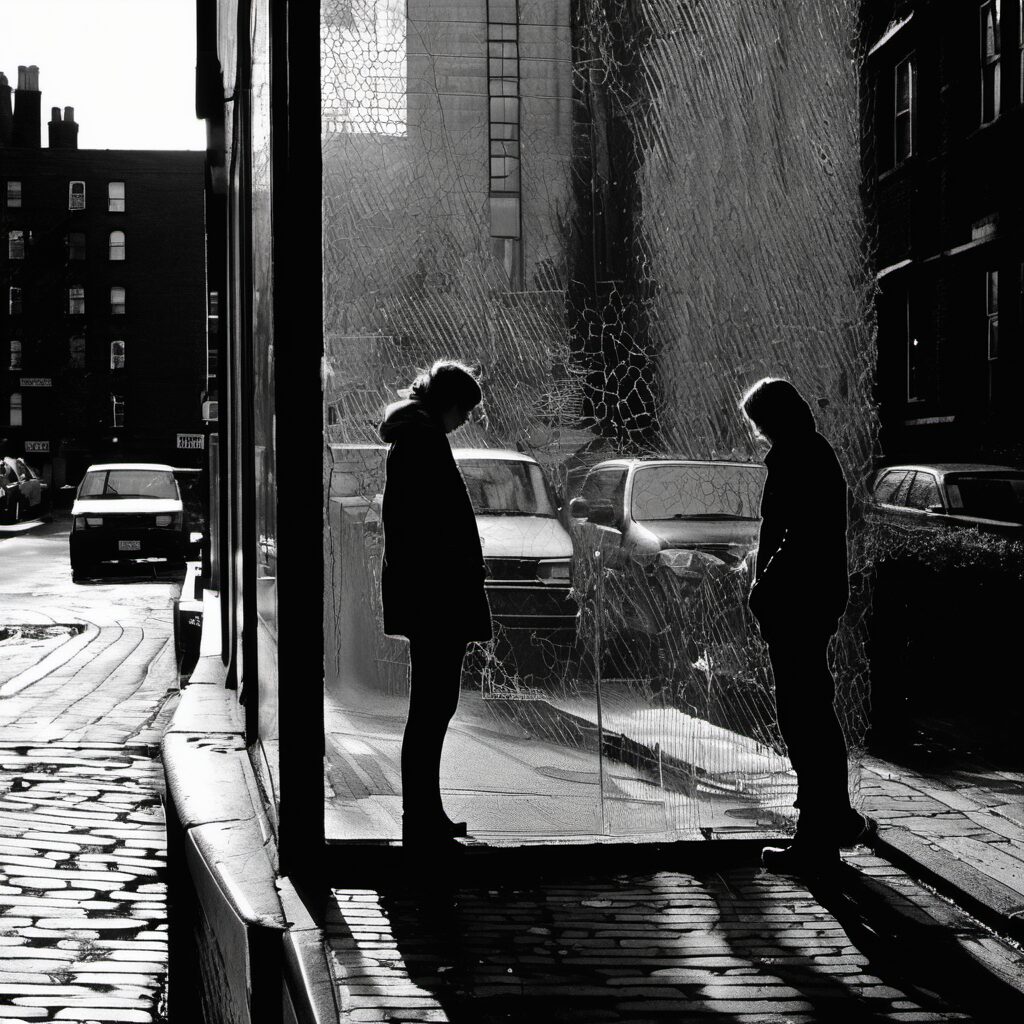
Exploring how cityscapes can be seen as reflections of human consciousness and spirituality
- In recent years, urban planners and architects have been exploring new ways to design cities that not only reflect our physical needs but also our inner selves.
- This idea is rooted in the concept that cityscapes are a direct reflection of human consciousness and spirituality. As Carl Jung, a renowned Swiss psychiatrist, once said:
“The collective unconscious is a part of our psychic constitution which is common to all men.” – Carl Jung
- This notion suggests that the layout and design of cities can be seen as an external manifestation of our inner world.
- For instance, in many ancient cultures, city centers were designed with sacred spaces, such as temples or shrines, at their heart. These spaces served as a focal point for spiritual practices and community gatherings.
How Urban Design Can Reflect Human Consciousness
- One way urban designers are incorporating spirituality into cityscapes is through the use of sacred geometry in architecture.
- This involves designing buildings, streets, and public spaces using geometric patterns that reflect natural formations and human proportions.
- For example, the ancient city of Petra in Jordan was designed with intricate rock-cut facades and streets that mirror the patterns found in nature.
- Another approach is to incorporate green spaces and parks into urban design. These areas serve as oases for mental and physical rejuvenation, allowing humans to reconnect with nature and themselves.
- The High Line in New York City is a prime example of this concept. This elevated park built on an old rail line has become a popular spot for residents and tourists alike to connect with the natural world.
What Can We Learn from the Connection Between Cityscapes and Human Consciousness?
- This concept challenges us to rethink how we design our cities, incorporating elements that nurture both body and soul. By doing so, we can create spaces that promote individual growth, community building, and overall well-being.
- As urban planner and author Richard Louv said:
“Our children are more likely to develop a sense of wonder and connection with nature if they have the opportunity to explore and play outdoors.” – Richard Louv
- In conclusion, exploring how cityscapes can be seen as reflections of human consciousness and spirituality offers valuable insights for urban designers and architects.
- By incorporating elements that reflect our inner selves, we can create cities that not only serve our physical needs but also promote spiritual growth and harmony.
Learn more about sustainable city design and its connection to human consciousness