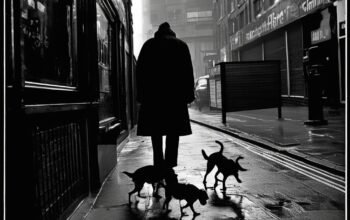
The Parallel Garden: Philosophy of Hidden Spaces
In the age of rapid urbanization and dwindling natural landscapes, the concept of hidden spaces, or more poetically termed “The Parallel Garden,” has captivated the minds of philosophers and urban planners alike. This intricate interplay between the visible and the unseen offers a captivating reflection on how humanity interacts with its environment and seeks tranquility amidst chaos.
The Concept of Hidden Spaces
The notion of hidden spaces resonates on both a physical and metaphysical level. Physically, these are spaces within urban or natural environments that remain tucked away from the hustle and bustle of city life. These can be secluded parks, rooftop gardens, or even private oases within one’s home. Metaphysically, hidden spaces resonate with the philosophical idea of internal sanctum—those intimate areas of thought and emotion often shielded from public scrutiny.
“Adopt the pace of nature: her secret is patience.”
Emerson’s words echo the sentiments of creating and appreciating these hidden spaces. These are places where patience and tranquility become touchstones for personal growth and reflection.
Cultural and Historical Context
Throughout history, the presence of secretive gardens and hidden spaces has been symbolic, denoting a realm of exclusivity and introspection. In the courts of the Persian Empire, enclosed gardens or pairidaeza were considered paradises on earth, offering refuge and contemplation away from the chaos of daily life. Likewise, Japanese Zen gardens employ deliberate design principles that invite visitors to reflect inwardly while being outwardly surrounded by simple yet profound natural beauty.
The Philosophy Behind Hidden Spaces
The creation and use of hidden spaces mesh with several branches of philosophical thought:
- Existentialism: The search for meaning in secluded spaces enables individuals to confront and grapple with their existential concerns.
- Minimalism: Emphasizes simplicity and reducing distractions, aligning with the creation of uncluttered, introspective spaces.
- Buddhism: Advocates for mindfulness and meditation practices, often suggesting serene and isolated spots to achieve such mental states.
In his work “The Information: A History, a Theory, a Flood”, James Gleick discusses the modern saturation of data and its impact on human consciousness. In contrast, hidden spaces offer a buffer from informational overflow, allowing individuals to digest thoughts without external interruptions.
The Psychological Impact of Hidden Spaces
Psychologists have long advocated for the inclusion of nature in daily life as a tool for maintaining mental health. The concept of biophilia, proposed by Edward O. Wilson, suggests that humans hold an innate desire to connect with nature—a need easily met through hidden spaces in urban environments.
“Nature holds the key to our aesthetic, intellectual, cognitive, and even spiritual satisfaction.”
The tranquility and solitude of these spaces can lead to a reduction in stress, anxiety, and depression, offering a mental refuge for those overwhelmed by urban life.
Modern Applications and Urban Planning
Today’s urban planners are increasingly incorporating hidden spaces within architectural and city designs. Integrating green rooftops, vertical gardens, and community parks into cityscapes allows for the creation of modern-day sanctuaries.
- Rooftop Gardens: These spaces often remain exclusive yet provide a reprieve from the concrete jungle below.
- Community Gardens: These not only serve as hidden places but also foster a sense of community and shared stewardship over urban nature.
- Pocket Parks: Small, strategically placed parks amidst urban development act as lung spaces for cities, breathing life into otherwise gray locales.
The Future of Hidden Spaces
The landscape of hidden spaces is evolving as technology and environmental awareness grow. With virtual reality, one might even argue for the potential of digital hidden spaces—mindful escapes located within the limitless realms of the digital sphere.
Moreover, the integration of smart technology in urban design could enhance the accessibility and functionality of these spaces, ensuring they remain well-maintained and secure while providing the solitude sought by their visitors.
Conclusion
Hidden spaces—the Parallel Gardens—weave a rich tapestry of history, philosophy, and modernity. They represent humanity’s eternal quest for balance between the visible commotion of life and the invisible sanctuaries of peace and reflection. As cities continue to grow, the significance of these spaces is more pronounced than ever, offering residents and visitors alike a momentary escape from the incessant pulse of urban life.
Recognizing and nurturing these spaces is fundamental not only for physical and mental well-being but also for fostering a deeper connection to our environments, both constructed and natural, visible and hidden.