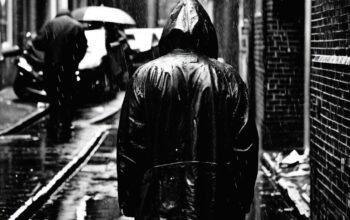
There exists a quiet magic in the world, often missed by hurried lives and rushing thoughts. It is the ethereal presence of fog, a common yet profound atmospheric shroud that transforms the ordinary landscape into a whispering mystery. Capturing this in writing is an art form unto itself—one that poets across generations have attempted to master, weaving words to evoke the invisible essence of fog.
The Veil of Mystery
“Fog and silence tramped the rough, gray moor,
Almost invisible yet never less than present.”
— Anonymous
Fog, by its very nature, is a paradox—solid as a barrier yet as insubstantial as a thought. It conceals and reveals, a natural metaphor for the mind’s obfuscations and inspirations. Poetic descriptions of fog often delve into themes of mystery and introspection. The famed poet Carl Sandburg depicted fog as a creature of silent stealth:
“The fog comes
on little cat feet.It sits looking
over harbor and city
on silent haunches
and then moves on.”
— Carl Sandburg
Sandburg’s imagery of the fog suffuses the mind with a feline agility, silhouetted against an urban backdrop. His short, succinct lines capture the transient nature of fog—a here-now-gone-now mystic dance over timeworn docks and sprawling skylines.
Writing the Ethereal
For writers aiming to evoke fog’s ethereal qualities, the challenge lies in balancing metaphor and realism. The invocation of fog is not just a visual illusion but also a sensory experience—weighted with moisture and imbued with soundless echoes.
- Visual Imagery: Use contrasting light and shade to depict the interplay between visibility and opacity.
- Sensory Words: Engage other senses—imagine the quiet dampness settling on skin or the muted call of distant sounds.
- Symbolism: Let fog symbolize varying layers of emotion, such as uncertainty, tranquility, or the quietude of introspection.
Beyond words, some artists wield brushes, lenses, and canvases to capture fog’s intangible essence. However, for those wielding pens, the challenge and joy lie in transforming this atmosphere into poetry, making readers feel the drift of clouds parting through pages.
As contemporary poet Emily Cooper reflects, “Writing about fog is to invite readers into a suspended moment, a blurred line between what is seen and felt, a dawning realization amidst the enveloped unknown.” By dedicating their verses to capturing fog’s bemused waft, writers and poets give us new ways to see, inviting us to pause and embrace the veiled world outside our windows.