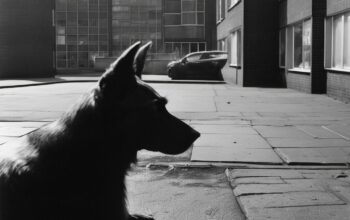
In the heart of London’s bustling West End, amidst the dazzling lights and theatrical grandeur, legends whisper of a mysterious protector: The Midnight Lion of Leicester Square. This enigmatic figure, draped in folklore, is said to safeguard the cultural centerpiece of London’s entertainment district. But who—or what—is this guardian, and what secrets lie beneath the cobblestones of Leicester Square?
The Legend Begins
It all starts in the early 19th century, a period marked by the inseparable bond of London’s cultural renaissance and its infamous fog-laden streets. According to local lore, a majestic lion appeared miraculously one cool autumn night, poised near the statue of Shakespeare, as a symbol of protection and mystery. Witnesses describe the lion as almost spectral, disappearing into the shadows before dawn.
“The lion was there,” claimed a letter published in The Morning Chronicle in 1845, “noble and vast, it watched as the revelers went about their nocturnal mischief, and departed without leaving a single paw print.”
The Lion’s Role
The Midnight Lion is said to play a crucial role in preserving the cultural tapestry of the West End. Here are some of the lion’s attributed roles:
- Guardian of Theatres: Reports suggest that the Midnight Lion roams the square, particularly around the thriving theaters. It is believed to protect these bastions of art from misfortune and decay.
- Protector of Patrons: The lion ensures that the visitors of Leicester Square, be they locals or tourists, enjoy their evenings in peace, free from malevolent entities.
- Preserver of Secrets: Many believe that the Midnight Lion holds the secrets of those who have wandered through the square in the earliest hours, preserving the stories untold.
Modern Sightings
While some might dismiss these stories as mere fantasy, modern sightings add fuel to the flame. Late-night custodians, bartenders, and even a few street performers have reported peculiar occurrences.
“It’s like the air changes,” says Maria Thompson, a long-time theater employee, quoted in the Evening Standard. “On some nights, you could swear something big is watching over us.”
Street artist Jamie Collins shares similar experiences. “Sometimes, I catch a glimpse of something from the corner of my eye. It’s not scary. Actually, it feels oddly reassuring.”
The Impact on Tourism and Culture
Despite—or perhaps because of—its ethereal presence, the Midnight Lion contributes significantly to the mystique of Leicester Square. Tourists flock to unravel its mysteries, and guided ghost tours integrate the legend into their storytelling. The lion has become a cultural icon, a reminder of the connectivity between myth and the everyday magic of the West End.
A visitor once remarked on TripAdvisor, “In a city filled with history and grandeur, the Midnight Lion stands out as a living part of the cultural fabric. What a wonderful story to tell friends back home!”
Conclusion: Myth or Reality?
The Midnight Lion of Leicester Square remains enshrined in London’s folklore, whether it be a product of imagination or a real guardian shrouded in mystery. Its presence, felt or seen in whispers, contributes to the vibrant backdrop of the West End, a place where history and legend converge in a dance of light and shadow.
Visitors and locals alike are drawn to Leicester Square not only for the nightlife and theatres but also for the subtle enchantment embodied by this mythical lion.
As long as the theaters hum with applause and Leicester Square remains a junction of artistic spirits, the Midnight Lion will walk its silent vigil, a timeless sentinel of the West End.