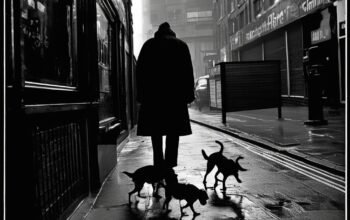
The story of Angel of Angel is steeped in cultural transformation, spiritual representation, and urban evolution. This article seeks to explore how this symbolism bridges the gap between the ephemeral and the corporeal through both historical context and anecdotal narratives.
The Urban Scenario: Angel, Islington
Angel, a locality within the London Borough of Islington, is a vibrant enclave that has witnessed significant changes over the centuries. Traditionally, this area was known for its coaching inns, providing rest and sustenance to travelers leaving or entering London.
- The New River Head: A crucial water supply for London since the 17th century, which played a vital part in supporting the Angel’s burgeoning population.
- Angel Inn: Originally a significant landmark from which the area derives its name, the Angel Inn has evolved from a 16th-century tavern into today’s bustling Angel Tube Station, which remains a focal point for locals and visitors alike.
“The Angel junction has come to epitomize a bustling paradox of its namesake; a place where the unceasing pulse of urban life meets the celestial imagery of ‘angelic’ guardians.” — Author Unknown
The Genesis of the Angelic Symbol
The imagery of angels is omnipresent in various faith narratives, often associated with messages and divine intervention. The title “Angel of Angel” conjures the flesh-and-blood realization of these celestial messengers in the human realm, acting as conduits for transcendental messages and influences.
Symbols and Belief
In Christian symbolism, angels are often depicted with wings and a radiant glow, signifying their divine origin and role as heavenly hosts. However, the concept of angels exists in many religious traditions:
- Judaism: Features archangels such as Gabriel and Michael, whose stories deeply influence religious texts and practices.
- Islam: Recognizes angels as created from light, pivotal in delivering the Quran to Prophet Muhammad through the Angel Gabriel.
- Buddhism: While not focusing predominantly on angels, it embraces beings of light known as Devas, bridging East and West spiritual landscapes.
These interpretations provide a tapestry of belief across different cultural contexts, setting the stage for the concept of becoming “angelic” or embodying such qualities in worldly life.
The Embodiment of Divinity: Angel in Flesh
The process of turning the divine into corporeal elements is not new. Numerous historical and religious narratives detail how transcendental experiences are grounded in physical forms. The question remains: what does it mean for Angel of Angel to challenge and reflect this possibility within a modern urban setting?
Contemporaneous Relevance
Daily urban life at Angel necessarily incorporates face-to-face human interactivity that is reminiscent of an angelic intervention; even if not heavenly, these moments hold genuine human connection, empathy, and transformation:
- The Arts: Numerous galleries and theaters in Angel curate performances and exhibitions that invoke feelings of shared humanity – experiences that suggest an ‘angelic’ ripple on a personal level.
- Community Programs: Various initiatives at Angel serve as a reminder of the inherent goodness in human nature, where people serve each other, almost mirroring the altruistic service ascribed to angels.
Narrative Figures
The canon of literary and artistic works often features protagonists who are angelic in deed, if not form. Characters range from the eponymous child of Toni Morrison’s novels to classical paintings depicting the human-like visage with a divine aura.
“Are not all angels ministering spirits sent to serve those who will inherit salvation?” — Bible, Hebrews 1:14
Such narratives create an intricate dance of the literal and metaphorical, evoking images of Angel of Angel taking physical form in these stories, alive down the streets of Islington’s Angel.
Conclusion: The Legacy of Angels in Modern Context
Angel of Angel as both a geographical and philosophical construct symbolizes a temporal and spatial realization of the celestial. The Angel district is a microcosm of the inherent dual nature of the name “Angel.” It physically roots the spiritual, expressing through cultural, artistic, and personal realms.
Bringing heaven to earth—this is the not-so-silent truth behind Angel of Angel. With every street musician, performance art piece, and act of kindness shared within its limits, the engrossing tale of angels meeting humans unfolds, silently echoing through the bustling noise of the city.
In the end, Angel of Angel is more than a location; it is a promise of the elevation of spirit and flesh. Where human interactions lend credence to the belief that the divine, far from being mythical, sings its harmonies amidst everyday life, compelling individuals to remember the angelic within themselves.