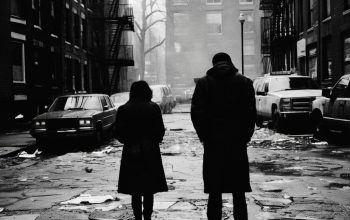
Southwark Shadows — Darkness Among Taverns
In the heart of London lies Southwark, a borough steeped in rich history and shrouded in a veil of enigma. Known for its vibrant marketplaces and the bustling river of the Thames, Southwark has been a hub of activity for centuries. However, amid its famed taverns and theaters, a shadowy past lingers.
The Rise of Southwark
Southwark’s history dates back to Roman times when it served as a vital crossing on the Thames. Its strategic location made it an essential spot for trade and commerce. By the Middle Ages, Southwark had become infamous for its fairs and pleasure gardens; however, it was the presence of its taverns that truly cemented its reputation.
“Southwark was a place of entertainment, both legal and illegal, where Londoners and travelers sought the thrills denied to them in the city proper.” — Historical Grooves: Tracing Medieval London
The area was not under the control of the City of London but the Bishop of Winchester. This peculiar jurisdiction allowed certain liberties, leading to the establishment of activities banned elsewhere.
The Taverns of Southwark
Southwark’s taverns were not merely places to drink; they were centers of political discussion, theatrical displays, and, at times, debauchery. Most notable was The Tabard Inn, which served as the starting point for Geoffrey Chaucer’s pilgrims in The Canterbury Tales. It illustrates not only the significance of the hospitality industry but also the social diversity of its patrons.
- The Tabard Inn: Renowned as the launch point for Chaucer’s pilgrims and as a meeting place for travelers.
- The George Inn: The last surviving galleried coaching inn, with tales of patrons ranging from theatrical legends to shadowy figures of crime.
- The White Hart: A historic site where Jack Cade’s rebellion began in the summer of 1450.
The Shadowed Corners
With popularity came the darker elements of society. Southwark, outside the jurisdiction of London city officials, attracted those who thrived in its comparative lawlessness. Notorious criminals, lavish gamblers, and others seeking refuge from the authorities found solace here amidst its crowded alleys and vibrant taverns.
One of the darker periods in Southwark’s history coincides with the Enlightenment era’s nighttime street culture. Crime was rampant; pickpockets indulged in their trade and fencing goods through pawn shops nestled between establishments. As per “Wicked Southwark,” a published historical exploration, “Southwark had inadvertently become a haven for miscreants, taking advantage of its bustling, shadow-filled byways.”
The Theatrical Glow Amid the Gloom
Despite—or perhaps because of—Southwark’s seedy reputation, it became the birthplace of English theater. William Shakespeare himself graced its stages, with The Globe Theatre becoming synonymous with the area. Elizabethan theaters, such as The Rose and The Swan, offered entertainment rivaled by no other, blending urban grit with theatrical glitz.
Actors, playwrights, and audiences gathered in these spaces, fostering an unprecedented cultural renaissance. These theaters, by virtue of their location, operated beyond the constraints faced by those within the city walls, experimenting with themes and styles censured elsewhere.
The Transformation of Southwark
As London grew, Southwark changed dramatically throughout the centuries. Industrial advancements transformed the once rustic borough into a bustling urban neighborhood. The shadows of its infamous past have faded but are far from forgotten.
The echoes of Southwark’s colorful (and often illicit) activities resonate to this day. Restoration projects have revived historic sites, blending Southwark’s storied history with contemporary life. Places like The George Inn continue to draw visitors eager to step back through time, reflecting on stories told over pints by flickering candlelight.
A Haunting Legacy
Today’s Southwark stands as a testament to London’s continual evolution—its alleys whispered to life by the tales of people who embraced its darkness and light. The memories of taverns full of life, laughter, and shadow remain woven into the fabric of Southwark’s enduring allure.
“In Southwark, we find the genuine pulse of old London—a mingling of the mystic shadows of the past with today’s vibrant life.” — The Chronicle of Old London
Visitors can traverse these historic lanes, perhaps catching a glimpse of how Southwark’s murky allure has sculpted the profound character of this unique district.