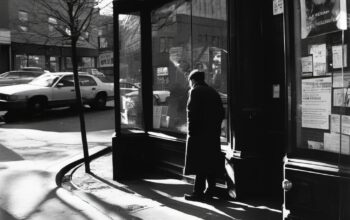
In the heart of London, where time seems to pause amid its cobblestone streets and narrow alleyways, lies Clerkenwell—a district with a history as captivating as its name. Today, it holds a reputation as a lively hub of creativity, dotted with sleek bars and trendy eateries. But to understand Clerkenwell today, one must journey back through time to uncover the layers of history that have illuminated its streets like the flickering glow of a candle.
The Monastic Foundations
The story of Clerkenwell begins with the establishment of religious orders that found solace and purpose within its bounds. The area’s name derives from the Clerk’s Well, which was dug by the priests of London for drawing water. This sacred well became a gathering spot for prayer and reflection.
- The Priory of St. John: Founded in 1144 by Jordan Briset for the Knights Hospitaller, the Priory of St. John played a significant role in Clerkenwell’s history. It was a place of worship, medical care, and a bastion of the order’s charitable activities. According to the Museum of London, the Priory was an important seat for the Knights, who provided care for pilgrims traveling to Jerusalem.
- The Nunnery of St. Mary: Also known as Clerkenwell Priory, this nunnery was founded circa 1100 and symbolizes the pious beginnings of the area. The nuns contributed to the local economy and provided services to the community through their diligent work in religious and social endeavors.
Mysticism and Ritual
The mystical aspect of Clerkenwell is woven into its spiritual fabric, with rumors of alchemists and secret societies conducting esoteric rituals within its labyrinthine pathways. This aura of mystery is enhanced by the medieval fascination with hidden knowledge and the pursuit of enlightenment.
“The impulse towards mystery, secrecy, and ultimate truths is what has always lured the seekers of the unknown. Clerkenwell, with its shadows and whispers, became a sanctuary for such pursuits.”
As a backdrop for both sacred rites and possibly clandestine gatherings, Clerkenwell evolved into a community where mystics and Freemasons might have found inspiration and a coveted veil of secrecy.
The Rise of the Markets
By the 17th century, Clerkenwell transformed from a religious enclave to a bustling marketplace. The industrial revolution brought with it a tide of change, and Clerkenwell was not immune to its influence. It became renowned for its market culture—a thriving center for craftsmanship and trade.
- Watchmaking Hub: Clerkenwell earned a reputation as the center of the watchmaking industry in the 18th and 19th centuries. The British History Online notes that more than 500 watchmakers operated in the area at its peak, making it one of the largest centers for this intricate craft.
- Jewelry Markets: The Jewelry Quarter in Clerkenwell flourished with artisans, drawing buyers from across the world. These craftsmen were instrumental in establishing Clerkenwell as a nexus of creativity and luxury.
- The Rise of Smithfield Market: Although not within Clerkenwell’s administrative boundaries, the nearby Smithfield Market became synonymous with the area, influencing its development and providing a robust boost to Clerkenwell’s commercial vigor.
Clerkenwell Today
Today’s Clerkenwell remains a testament to its eclectic past. While the markers of change are evident in its modern façade, the essence of its rich history persists—woven into the brickwork, etched in the stories that echo through its streets. This district is not just where history happened, but where history breathes anew each day.
The area is celebrated for its vibrant cultural scene, hosting an array of events that attract both tourists and locals alike. The Clerkenwell Design Week, for instance, draws creative minds from around the globe to explore and showcase innovative design.
“In Clerkenwell, the past and present mingle like unexpected friends, each adding depth and character to the already vibrant tapestry of time.”
Conclusion
Clerkenwell remains a destination of choice for those attracted to its timeless charm—where time-honored tradition meets the pulse of modernity. It is a place of paradox, where the sound of a bustling city intertwines with the whispers of monks and mystics past, creating an ambiance as warm and inviting as candlelight.
As day fades into night, the streets of Clerkenwell once again light up—not with candles this time, but with the lively glow of modern life that pays homage to the lineage of luminescence it has carried through centuries. It is a place where the spirit of the past dances gracefully with the possibilities of the future.