In the realm of psychology and art, Carl Jung’s theory of archetypes has long provided a framework for understanding the universal symbols and motifs that pervade human culture. Today, as artificial intelligence (AI) begins to produce art, these archetypal patterns are emerging once again, albeit in a digital form. The intersection of Jungian theory and AI-generated art offers a fascinating glimpse into how machines interpret and replicate the timeless themes of human consciousness.
Jungian Archetypes: A Brief Overview
Carl Jung, a Swiss psychologist and psychiatrist, introduced the concept of archetypes as part of his theory of the collective unconscious. According to Jung, archetypes are innate, universal prototypes for ideas and may be used to interpret observations. He famously stated, “Who looks outside, dreams; who looks inside, awakes,” emphasizing the importance of these internal structures in shaping our perceptions and experiences.
The Rise of AI-Generated Art
AI-generated art utilizes algorithms and neural networks to create images, music, and other forms of art. These systems are often trained on vast datasets, learning styles and patterns that they then use to generate new works. As AI technology advances, its ability to produce art that resonates with human emotions and cultural motifs has improved significantly.
Archetypal Patterns in AI Art
- The Hero’s Journey: One archetype that frequently appears in AI-generated art is the hero’s journey. This narrative structure, identified by Joseph Campbell, involves a hero who goes on an adventure, faces a crisis, and returns transformed. AI art often depicts this journey through symbolic imagery, such as paths, gateways, and transformative figures.
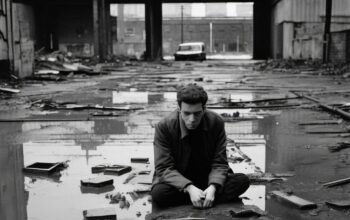
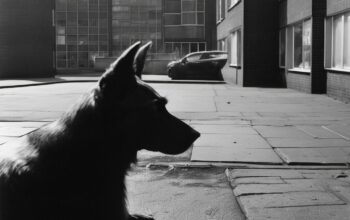
- The Shadow: Another common archetype is the shadow, representing the darker, hidden aspects of human nature. AI-generated art sometimes explores this theme through the use of contrasting colors and surreal, dream-like imagery that evokes the subconscious mind.
- The Anima and Animus: These archetypes represent the feminine and masculine aspects within the psyche. AI art may blend these themes, creating figures that embody both qualities, challenging traditional gender norms and expressing the fluidity of identity.
Challenges and Opportunities
While AI-generated art offers exciting possibilities, it also raises questions about originality and authorship. As The Guardian notes, “AI artists” are dependent on the data they are trained with, leading to debates about whether AI can truly create, or if it simply recombines existing elements.
“We are at the frontier of an entirely new artistic medium,” says Ahmed Elgammal, a computer scientist and director of the Art and Artificial Intelligence Laboratory at Rutgers University.
The Future of AI Art
As technology continues to evolve, AI-generated art will likely play an increasingly prominent role in our cultural landscape. By integrating Jungian archetypes, these artworks have the potential to deepen our understanding of both the human psyche and the capabilities of artificial intelligence. Whether viewed as a tool for creative collaboration or a new form of artistic expression, AI art challenges us to reconsider what it means to be an artist in the digital age.