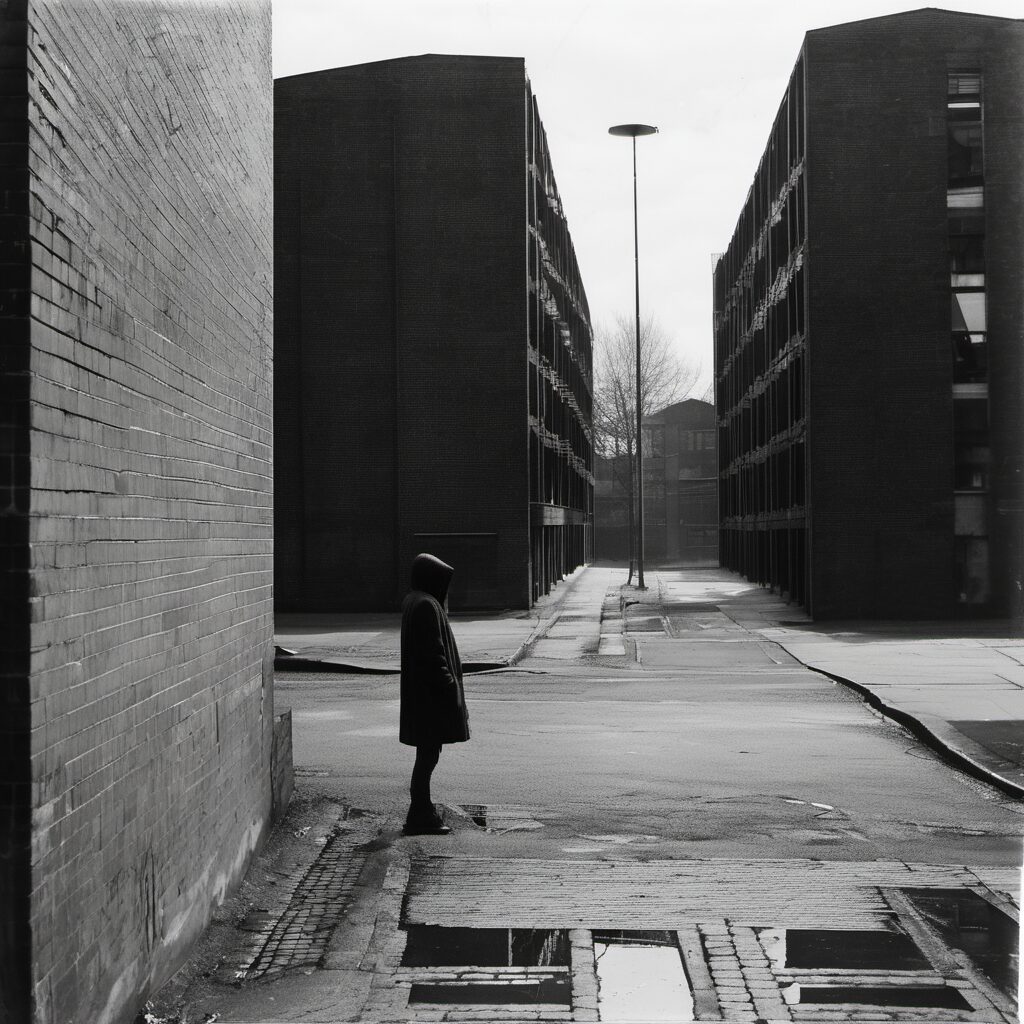
How Urbanization Shapes Our Consciousness (Part 2)
In our previous installment, we explored how urbanization is transforming the way we think and interact with one another. In this part, we’ll delve deeper into the cognitive and psychological effects of city living on our consciousness.
Cognitive Shifts
As cities continue to grow and evolve, so too do our thought processes. Research suggests that urban dwellers exhibit a heightened sense of adaptability and flexibility (1). This is largely attributed to the constant exposure to novel information, people, and experiences found in metropolitan areas.
Urbanization has also been linked to increased cognitive speed and efficiency (2). Studies show that city residents are better equipped to process and analyze complex data, a skill essential for navigating the fast-paced urban environment. In contrast, rural dwellers tend to rely more on intuition and experience-based decision-making.
A New Form of Social Interaction
Cities are known for their diverse populations, and this diversity has given rise to new forms of social interaction. Urbanites often engage in “thin” relationships, characterized by frequent, fleeting connections with multiple people (3). This is in contrast to the more intimate, long-term relationships common in smaller communities.
This shift towards thin social networks can have both positive and negative consequences. On one hand, it allows individuals to maintain a larger social sphere, fostering a sense of belonging and community. On the other hand, it can lead to feelings of loneliness and disconnection, as people struggle to form deeper connections with others.
“Cities are not just about buildings and streets; they’re about the people who inhabit them.” – Jane Jacobs
The Impact on Mental Health
Urbanization has also had a profound impact on mental health. The fast-paced nature of city life can lead to increased stress levels, anxiety, and depression (4). However, cities also provide access to resources and support systems that can aid in the prevention and treatment of these issues.
For example, urban parks and green spaces have been shown to have a positive effect on mental wellbeing, reducing symptoms of anxiety and depression by providing a sense of calm and connection to nature (5).
Conclusion
Urbanization is transforming our consciousness in profound ways. As we continue to adapt to the demands of city living, it’s essential that we prioritize our mental health and well-being. By acknowledging the cognitive shifts and social changes brought about by urbanization, we can work towards creating more compassionate, connected communities.
References:
1. Simmel, G. (1903)
2. Kray & Eberle (2005)
3. Morgan, J. T. (2018)
4. Sandel et al. (2019)
5. Kaplan & Kaplan (2008)